
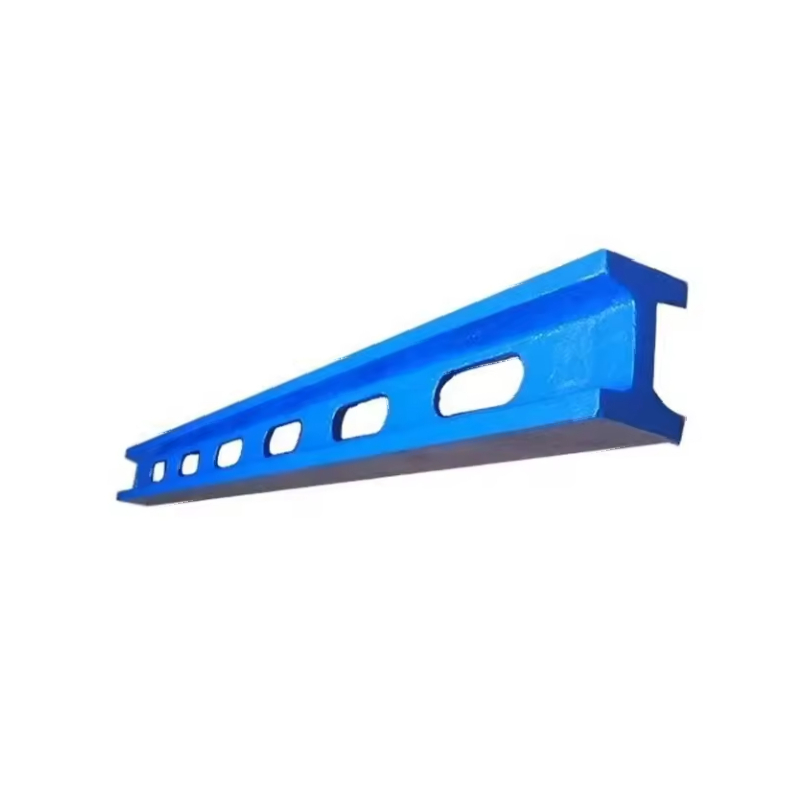
frosted glass tile
Understanding Standard Pin Gauge Sets A Comprehensive Insight In the world of precision engineering and manufacturing, ensuring the exact measurement of components is paramount. One of the essential tools that aid in achieving this proficiency is the standard pin gauge set. These devices, although simple in design, play a crucial role in various applications across multiple industries, including automotive, aerospace, and machinery. This article delves into the intricacies of standard pin gauge sets, elaborating on their purpose, types, applications, and significance. What is a Standard Pin Gauge Set? A standard pin gauge set consists of a series of cylindrical pins of varying diameters, precisely manufactured to known dimensions. Each pin is used to check the width of holes, slots, and other internal measurements to ensure they meet specified tolerances. Pin gauges are often used for quality control during the manufacturing process, as they provide a straightforward method for quickly assessing dimensions. Types of Pin Gauges Pin gauges are primarily categorized into two types fixed pin gauges and adjustable pin gauges. 1. Fixed Pin Gauges These are the most common type, featuring pins that come in standardized sizes. They are typically used to verify specific measurements and ensure that parts conform to design specifications. Each pin corresponds to a particular gauge tolerance and is used for a one-to-one comparison with the holes being measured. 2. Adjustable Pin Gauges As the name implies, these gauges can be adjusted to fit different sizes. They are particularly useful in situations where variability in measurements is anticipated or when only a small range of sizes needs to be measured. Adjustable pin gauges can save money, as they reduce the number of pins needed. Applications of Standard Pin Gauge Sets Pin gauges are widely utilized across a plethora of applications. Some of the most common include - Quality Control In manufacturing processes, pin gauges are crucial for maintaining quality control standards. They allow engineers and machinists to quickly and accurately measure the diameter of holes, ensuring they meet the required specifications. standard pin gauge set - Assembly Checks During assembly, pin gauges can confirm that parts will fit together correctly. This is particularly important in industries like automotive manufacturing, where precise fit is critical for safety and performance. - Tooling Setup In the setup of various cutting tools and equipment, pin gauges help in verifying that the settings are accurate, leading to improved efficiency and reduced waste. - Calibration These gauge sets can also be used to calibrate other measuring instruments, ensuring that they provide accurate readings. Importance of Standard Pin Gauge Sets The significance of standard pin gauge sets cannot be overstated. Here are a few reasons why they are vital - Precision In industries where even the slightest deviation can lead to catastrophic failures, precision is crucial. Pin gauges offer a reliable means of ensuring that parts conform to specified dimensions. - Time Efficiency Using pin gauges simplifies the measurement process, allowing for rapid checks without the need for complex measuring equipment. This efficiency can significantly increase productivity on the manufacturing floor. - Cost-Effective Given their reused nature and durability, standard pin gauge sets represent a cost-effective solution. They reduce the need for multiple measuring tools and minimize the costs associated with rework due to inaccurate measurements. Conclusion In conclusion, standard pin gauge sets are indispensable tools in the realm of precision engineering. Their straightforward design belies their critical role in maintaining quality and accuracy in manufacturing processes. By understanding their types, applications, and significance, engineers and quality control personnel can better appreciate the value that pin gauges bring to their work. As industries continue to evolve and demand higher precision, the importance of such measurement tools will only grow, emphasizing the need for robust calibration practices and adherence to quality standards. The humble pin gauge set stands as a testament to the power of simplicity in achieving excellence in engineering.
about
frosted glass tile
Reemplazo de Válvulas de Agua Una Guía Completa El agua es un recurso vital en nuestras vidas, y cualquier interrupción en su suministro puede causar serios inconvenientes. Las válvulas de agua son componentes claves en sistemas de plomería, ya que controlan el flujo y la presión del agua. Con el tiempo, estas válvulas pueden desgastarse o dañarse, lo que podría llevar a fugas o fallos en el sistema. Por eso, es fundamental conocer cuándo y cómo realizar el reemplazo de una válvula de agua. ¿Cuándo Reemplazar una Válvula de Agua? Existen varios signos que indican que una válvula de agua necesita ser reemplazada. Uno de los más evidentes es la presencia de fugas. Si notas que hay agua goteando alrededor de la válvula o en la tubería, es probable que la válvula esté dañada. También, si la válvula no cierra correctamente, permitiendo que el agua siga fluyendo cuando debería estar apagada, es una señal de que es tiempo de un cambio. Otros indicadores pueden incluir corrosión visible en la válvula o dificultad para girar el mando. Pasos para Reemplazar una Válvula de Agua 1. Cierre el Suministro de Agua Antes de realizar cualquier trabajo, asegúrate de cerrar la fuente de agua principal. Esto evitará inundaciones y otras complicaciones. 2. Drena el Agua Restante Abre los grifos conectados a la válvula que vas a reemplazar para permitir que el agua residual se drene. Esto facilita el proceso y reduce el desorden. water valve replacement 3. Retira la Válvula Antigua Usa una llave inglesa para aflojar las tuercas que sujetan la válvula en su lugar. Puede que necesites un poco de esfuerzo si la válvula ha estado instalada por mucho tiempo. Una vez suelta, retira la válvula con cuidado. 4. Limpia las Superficies Antes de instalar la nueva válvula, limpia las superficies de los tubos para asegurarte de que no haya restos de residuos o sellador que puedan causar problemas en el nuevo montaje. 5. Instala la Nueva Válvula Coloca la nueva válvula en su lugar y asegúrate de que esté orientada correctamente. Vuelve a apretar las tuercas con la llave inglesa, pero evita apretarlas demasiado, ya que esto puede dañarlas. 6. Reabre el Suministro de Agua Después de haber instalado la nueva válvula, abre lentamente la fuente de agua y revisa si hay fugas. Si todo está en orden, puedes cerrar los grifos que abriste anteriormente. Mantenimiento Preventivo Para asegurar la longevidad de tus válvulas de agua, es recomendable realizar un mantenimiento preventivo regular. Verifica periódicamente si hay signos de desgaste y realiza pruebas de fugas. Un chequeo anual puede ahorrarte muchos problemas a largo plazo. En conclusión, el reemplazo de válvulas de agua es una tarea esencial que no debe ser ignorada. Con un poco de conocimiento y las herramientas adecuadas, cualquiera puede llevar a cabo esta tarea de manera segura y eficaz. Recuerda siempre priorizar la seguridad y, si sientes que el trabajo es complicado, no dudes en llamar a un profesional.
-

High quality industrial productsagement

High quality industrial products
View Details -

Meet the diverse needs of customers

Meet the diverse needs of customers
View Details -

Strict quality control

Strict quality control
View Details -

Top raw materials

Top raw materials
View Details -

Trusted supplier

Trusted supplier
View Details
Our application


news and information
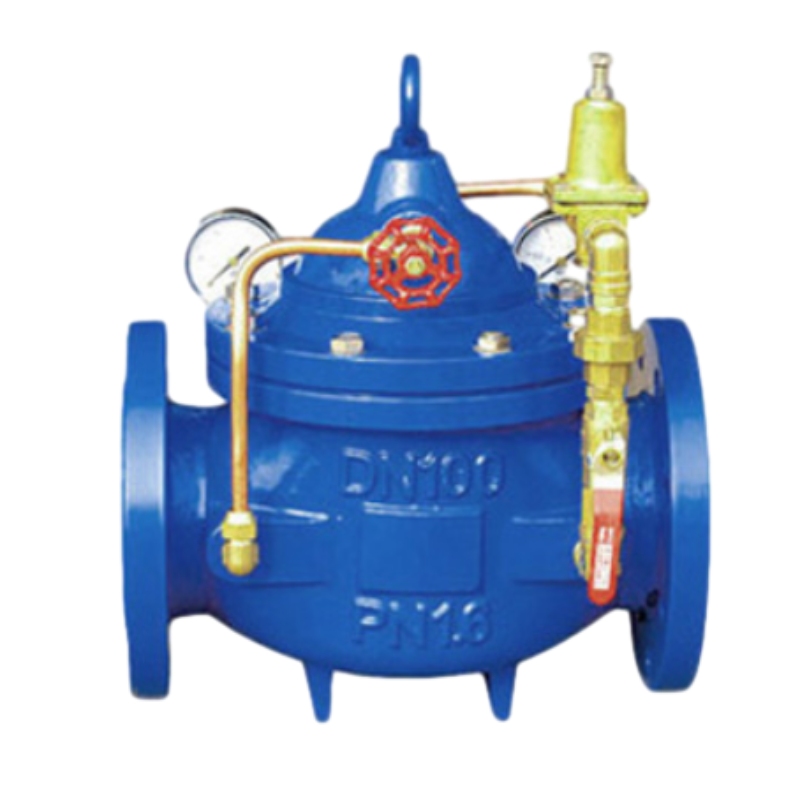
V Blocks for Sale_ Types, Uses, and Best Heavy-Duty Frame V Options
V blocks and Vee blocks are essential tools in machining, metalworking, and inspection processes. Th
Welding Fabrication Services _ Precision Welding & Custom Fabrication
Understanding Welding and Fabrication A Comprehensive Overview Welding and fabrication are critical

Válvula de gate de 400mm para sistemas de tubulação industriais e comerciais
400mm gate valve .
 English